
CFD trading on Cardano
Go long or short on Cardano (ADA) prices with a CFD trading account and access crypto CFDs markets 24/7* with FOREX.com.
-
Trade 24/7 with weekend trading hours
-
Margin from 50%
-
Go long or short on Cardano CFDs
Trade Cardano with CFDs
You can trade Cardano CFDs 24/7* at tight spreads and low margins with FOREX.com with no need to own the asset or have an exchange account. Trade market volatility with no exchange fees or complicated digital wallets.
Cardano CFD market information
† May change due to market conditions.
‡ trading hours on cryptocurrencies CFDs are 20:00 Saturday until 09:00 (following) Saturday
* Please note margin requirements can vary depending on the risks associated with the underlying market. For details of the exact margin requirements on all of our markets, please view the market information sheet in the platform.
Stay on top of the latest cryptocurrency news




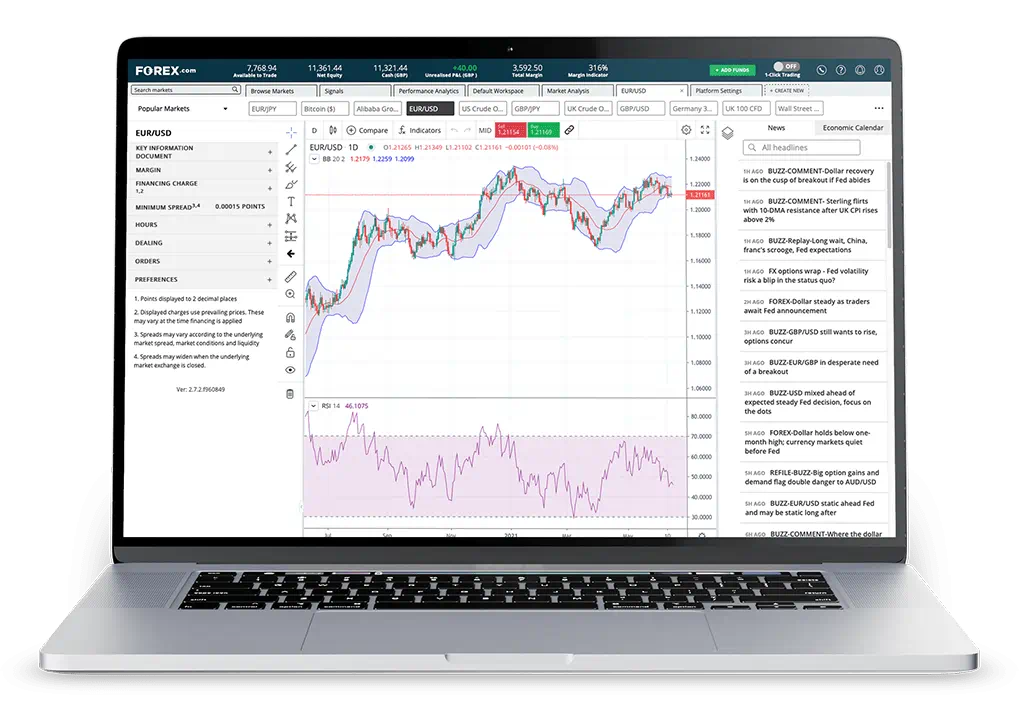
Get the latest market insight
From cryptocurrencies to indices, shares, forex and beyond, discover the latest news and trade ideas from our team of expert analysts and market writers.
Cardano CFD trading FAQs
Can I trade other cryptocurrency CFDs with FOREX.com
Yes, you can trade a range of cryptocurrency CFDs with FOREX.com, such as Ethereum, Ripple and Litecoin, available at a margin rate of 50%. Find out more about the cryptocurrency CFDs we offer.
Do I have to trade a whole Cardano?
No, one of the main benefits of Cardano CFDs is that you can trade fractional amounts and not an entire ADA per transaction.
How old is Cardano?
The development of Cardano began in 2015, led by the co-founder of Ethereum, Charles Hoskinson. The platform eventually launched in 2017.
What are cryptocurrencies?
Cryptocurrencies are digital tokens based on blockchain technology that act as a virtual currency. Many cryptocurrencies are mined into existence through the ‘Proof of Work’ system, involving the ADAving of complicated mathematical puzzles by high-powered computing software, with a cryptocurrency token made available to the owner as a reward.
However, a newer system known as ‘Proof of Stake’ involves contributors staking their own cryptocurrency in exchange for a chance to validate new transactions, update the blockchain, and earn a reward. Ethereum, for example, is expected to move to the Proof of Stake model in 2022.
Most cryptocurrencies are decentralised, which means that they are not connected to or affected by an authority such as a government or central bank.


