


Hormuz Disruption Risks Food Inflation
The Strait of Hormuz disruption is evolving from an energy shock into a mispriced agricultural supply crisis. With Gulf fertilizer exports effectively trapped, the mid‑April US planting window faces hard constraints that could reduce yields and tighten grain inventories later in 2026. Markets remain focused on oil, but food inflation risks are building. Non‑Gulf fertilizer producers may be positioned to benefit.
Share this:

Fertilizer Outside the Gulf — A potential play
The Strait of Hormuz closure is morphing from an energy headline into a materially underpriced agricultural supply shock. With ~⅓ of global seaborne urea and ~45% of traded sulphur tied to Gulf export routes, the disruption collides with the U.S. spring planting hard deadline in mid‑April—a calendar point at which nitrogen application is non‑deferrable.
If Gulf flows remain impaired through April, the result is lower fertilizer application, lower yields, tighter grain inventories by Q3/Q4 2026, and a second‑round food inflation impulse with a 3–6 month lag. Markets remain fixated on oil; I expect the focus to shift to food prices into the summer. This creates a narrow window for those that own non‑Gulf fertilizer producers with advantaged feedstock or distribution and easier market access: CF Industries, Nutrien, Mosaic, Yara, and to a regional extent Wesfarmers (Australia).
These names might be able to monetize on higher prices and widening margins as Middle Eastern volumes are trapped and freight/insurance premia keep world benchmarks elevated.
Why Now — and Why This Shock might be Different
- Physical constraint vs. rerouting: Unlike 2022’s Russia/Belarus shock, Gulf product is geographically trapped when Hormuz is closed. There is no viable reroute for Qatari/Saudi/UAE urea, ammonia, or sulphur; AIS shows loaded vessels unable to depart. This renders the supply hit real and immediate, not theoretical.
- Timing is unforgiving: Mid‑April is the inflection for U.S. corn/wheat—nitrogen must be applied before/at planting. Unlike seed or machinery, under‑application cannot be “caught up”; it translates directly into yield losses.
- Pre‑existing tightness: Global nitrogen additions were already muted (~1.5% p.a. through the next few years), with urea capacity below demand through decade‑end on several industry forecasts. The Hormuz disruption accelerates a tightening that was already underway.
- Price action with more to go: Urea is up ~25–35%, ammonia and phosphates are firming on higher gas and sulphur costs, and war‑risk insurance/freight add a sticky layer to delivered prices even outside the Gulf. The forward curve does not fully price a prolonged April–June constraint.
Who might Benefit
CF Industries (CF) – High‑beta nitrogen beneficiary
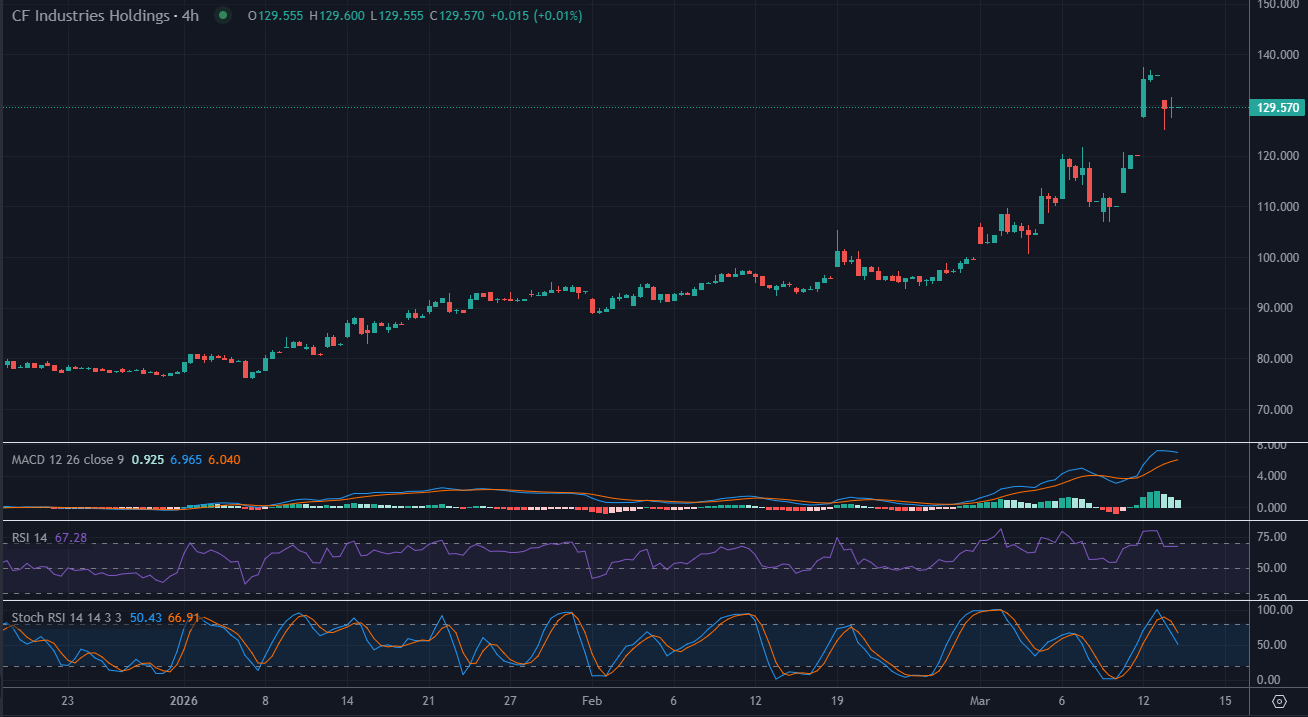
- Why Traders own it: Pure nitrogen exposure with North American/UK production, insulated from Gulf shipping and benefiting from low‑cost Henry Hub gas. As global benchmarks reprice, CF captures immediate margin expansion as export and domestic volumes could increase
- Earnings torque: Every incremental $50–$100/t in urea/ammonia realizations drops through meaningfully, given fixed-cost heavy assets and lower gas input vs. Europe/Asia.
Nutrien (NTR) – Diversified nutrient leader, distribution leverage
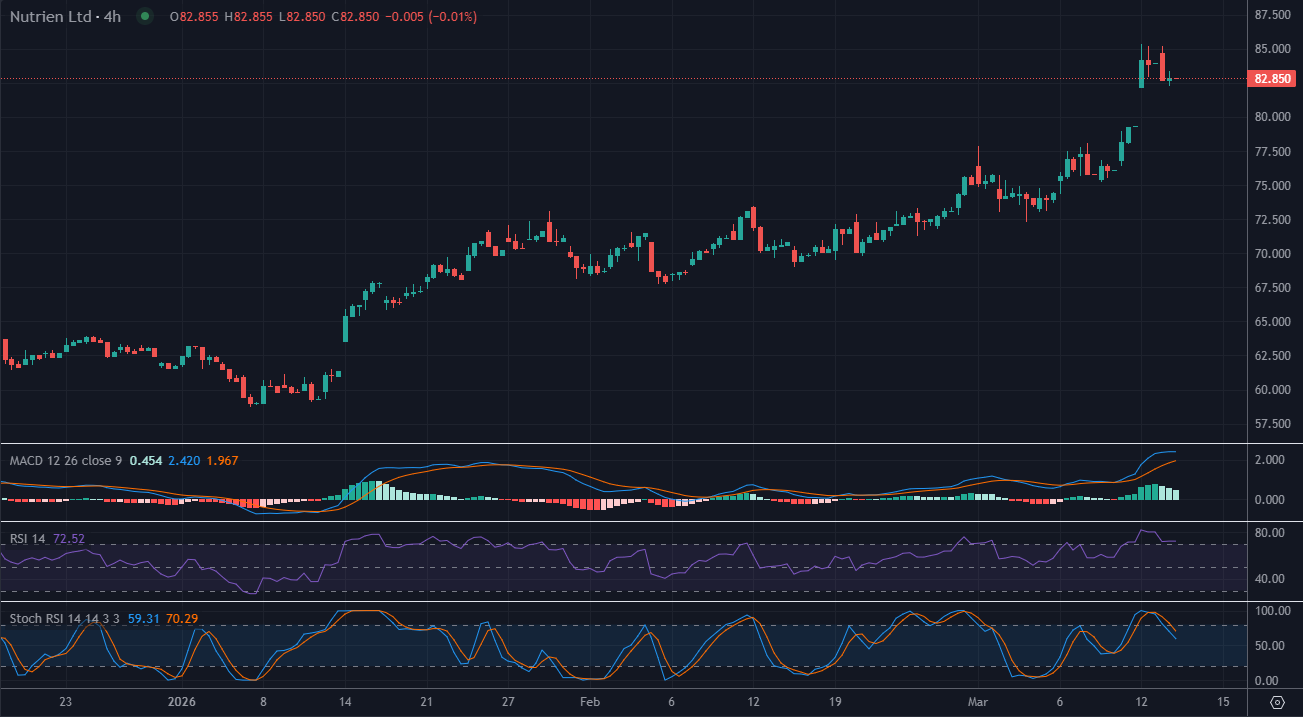
- Why Traders own it: Scale in potash + nitrogen, plus retail distribution across the Americas. With Brazil and North America stepping up purchases amid scarcity, Nutrien’s network enables price realization and volume optionality across nutrients.
- Earnings torque: Multi‑nutrient exposure + retail margins increase as prices increase and availability becomes important for growers.
Mosaic (MOS) – Phosphate & potash; sulphur bottleneck lifts pricing power
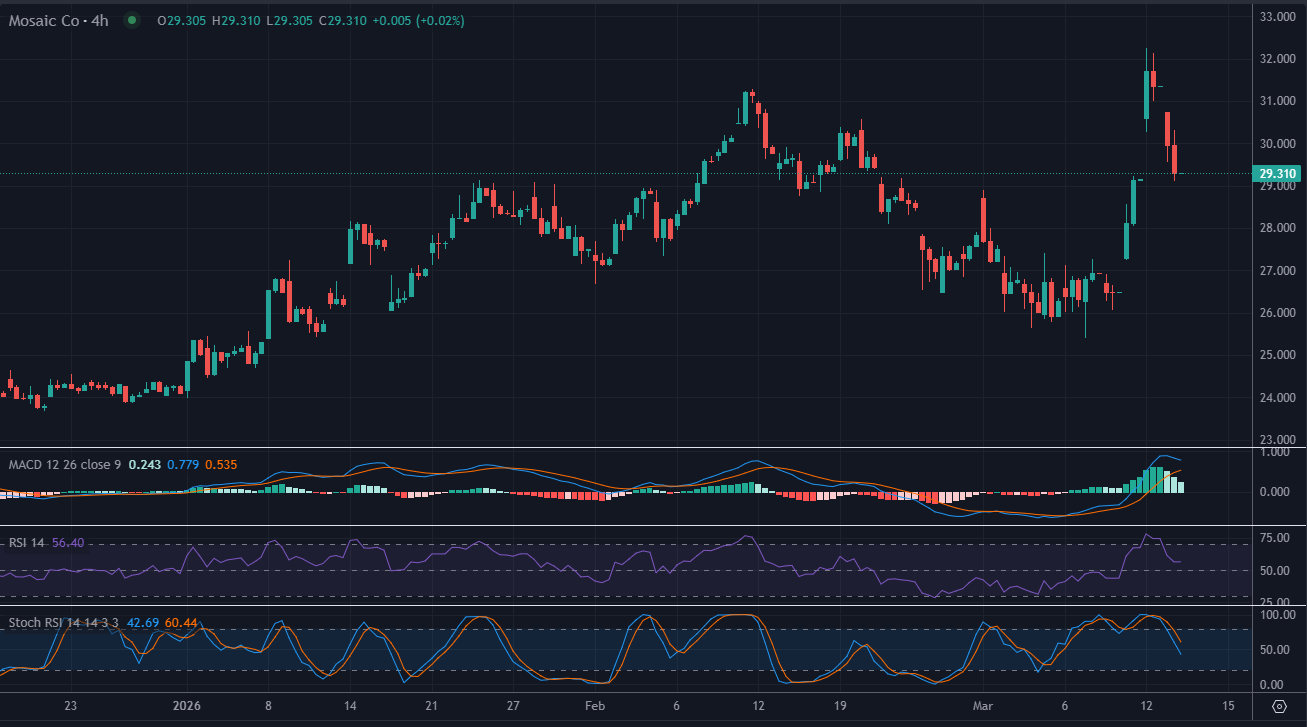
- Why Traders own it: A phosphate leader in a world where ~45% of sulphur—critical for processing phosphate rock—moves via the Gulf. With Saudi phosphate flows constrained, MOS faces less import competition in the U.S. and stronger global supply possibilities.
- Earnings torque: DAP/MAP pricing benefits; inventory discipline and producer curtailments in recent cycles give Mosaic operating leverage as prices rise.
Yara International (YAR) – Global nitrogen capacity, premium into disruption
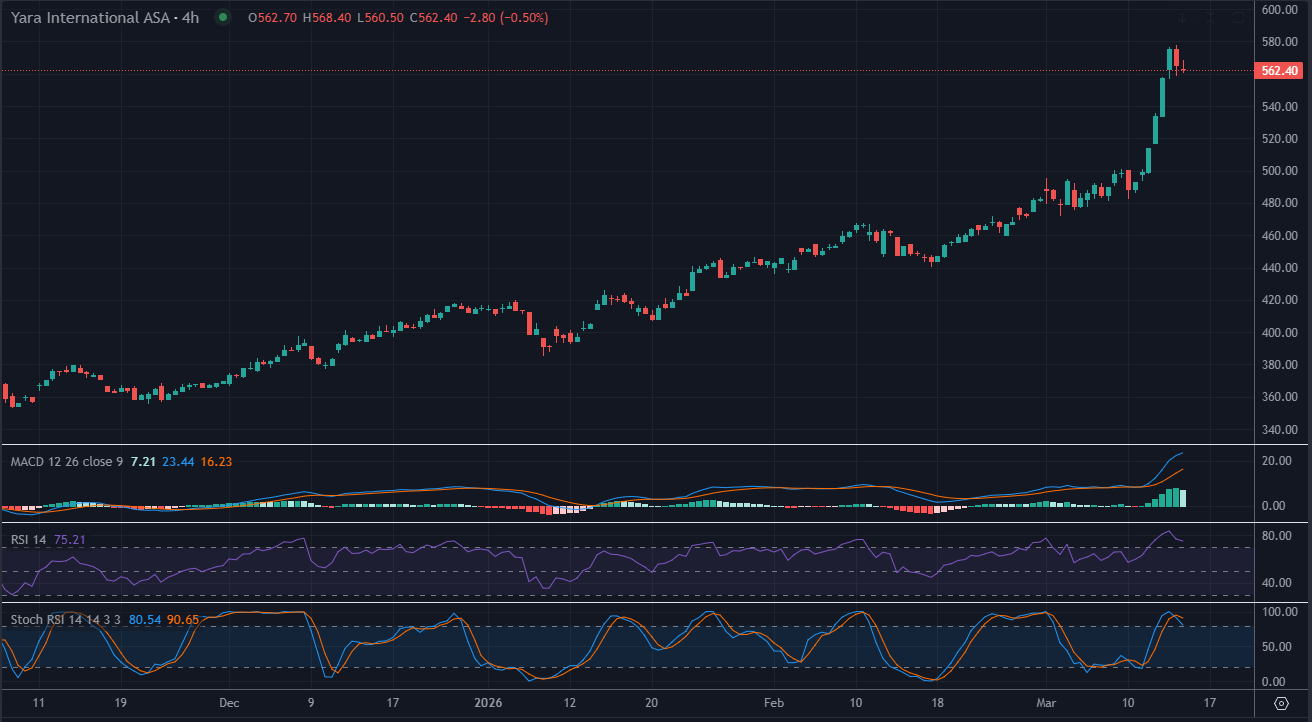
- Why Traders own it: Large global nitrogen footprint (ammonia, urea, nitrates) with enough resources to be able to backfill markets typically served by Gulf exports. While more exposed to European gas, Yara gains from higher urea/nitrates benchmarks and premium product diversification.
- Earnings torque: Price is higher than cost during current tightness, therefore flexibility to redirect volumes to highest‑margin regions is supportive of this name.
Wesfarmers (WES, Australia) – Regional fertilizer and distribution moat
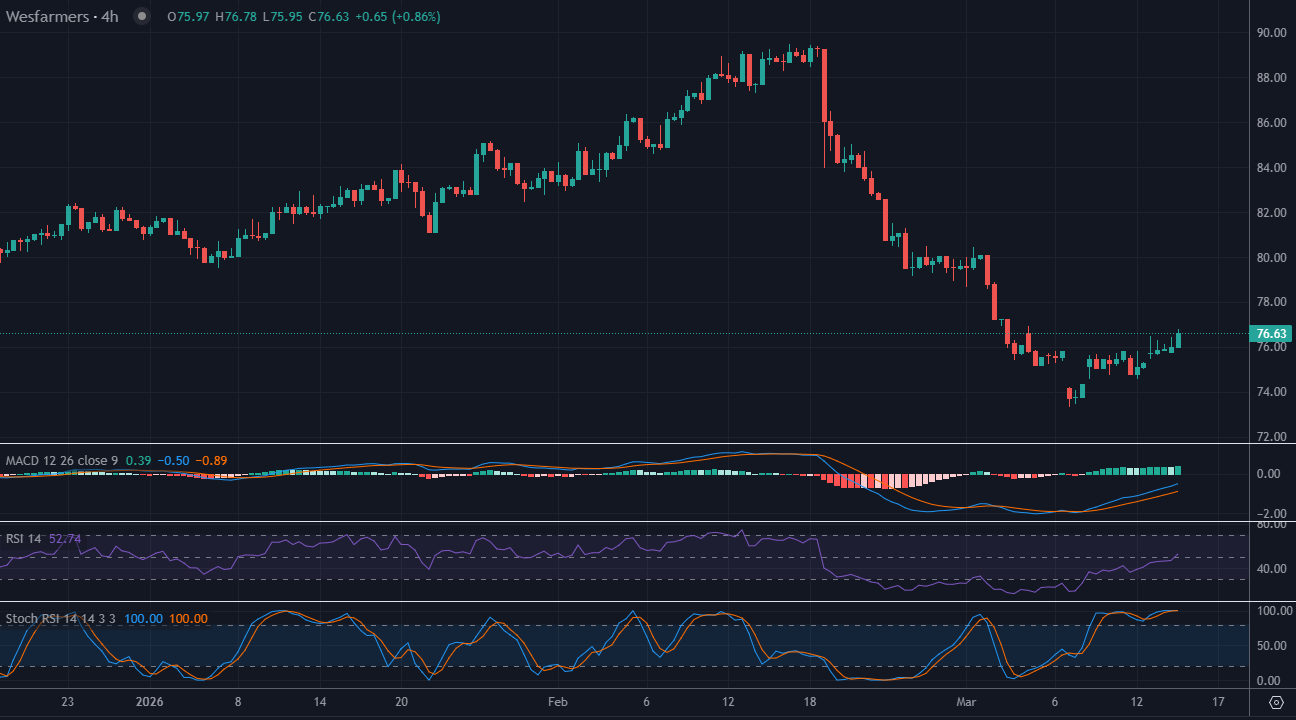
- Why Traders own it: Through WesCEF/CSBP, Wesfarmers is a major fertilizer manufacturer/distributor in Western Australia. Australia imports meaningful nitrogen; tight global urea and longer shipping/marine insurance cycles lift domestic realized prices. As a regional incumbent with logistics and customer relationships, Wesfarmers can sustain high price swings and is capable to secure supply for growers, enhancing its importance during scarcity.
- Earnings torque: While fertilizer is a smaller group contributor vs. Retail/Chemicals, price-led margin expansion and mix benefits can positively surprise consensus in the near term.
The Inflation Channel
Markets are anchored to oil and tariff narratives, but the food inflation channel is the cleaner read‑through from a fertilizer shock: lower nitrogen use → lower yields in corn/wheat/soy → tighter grain inventories → CPI re‑acceleration with a 3–6 month lag. That matters for rates (stickier inflation), staples (input cost pass‑through), and EM food‑importers (FX/current account strain). Equity investors are not yet paying up for this path; fertilizers remain one of the few direct beneficiaries with near‑dated catalysts and visible operating leverage.
Catalysts (Next 1–3 Months)
- Mid‑April: U.S. planting application window closes — watch weekly fertilizer pricing prints and dealer channel checks.
- Late April–May: First indications of application rates and acreage/yield expectations; forward grain curves tighten if shortfalls materialize.
- May–June: Financial updates/trading statements from CF/NTR/MOS/YAR; look for price realization, volume prioritization, and margin commentary.
Key Risks & Mitigants
- Rapid normalization of Hormuz traffic: Would cap upside; however, freight/insurance premia typically linger, and missed application windows cannot be recovered.
- Natural gas volatility (Europe/NA): Higher gas raises nitrogen costs; CF’s North American gas advantage and Yara’s contracting/hedging reduce earnings volatility.
- Demand destruction from high prices: Farmers can substitute at the margin, but nitrogen is non‑negotiable for yields; retail credit and distributor support (notably at Nutrien) buffer near‑term pullbacks.
- Policy intervention (export controls/subsidies): Could re‑route flows toward priority markets; generally price supportive for global benchmarks.
Regards,
Philip Papageorgiou




The complete CFD trading experience
Award-winning platforms, competitive spreads, low commissions and dedicated support.
We live and breathe the markets and are dedicated to helping traders realise their ambitions as we continue to set the industry bar.
Economic calendar
Web Trader platform
Our sophisticated web-based platform is packed with features.
Related articles

DAX Climbs After Fed Move, Eyes Break Above 26,000 Resistance
The DAX has opened significantly higher following the Federal Reserve's delivery of its first interest rate hike since 2023. Although the Fed signaled further tightening, the market reaction was surprisingly positive, as much of the hawkish expectation had already been priced in. Attention now shifts to the 25,900–26,000 point range, which will likely determine whether the current recovery evolves into a new upward wave or remains merely a short-covering rally.
DAX under pressure: US inflation will now decide the outcome
The DAX correction now has little to do with corporate news. Rising oil prices, higher bond yields, and the prospect of further interest rate hikes are dominating market activity. Following the strong US PPI report, all focus is now on today's US CPI. The figures could determine whether the current risk-off phase continues or whether the markets can launch a short-term relief rally.
ECB Day: What DAX investors need to know today
Earnings season has taken a back seat for now. Instead, rising oil prices, higher bond yields, and renewed inflation concerns are shaping market sentiment. Brent crude is trading above $100 per barrel again, while the ECB is poised for another interest rate hike. Investors are now focusing on Christine Lagarde's press conference and today's US producer prices for clues about the future direction of interest rates on both sides of the Atlantic.
StoneX Europe Ltd may make third party material available on this website which may contain information included but not limited to the conditions of financial markets. The material is for information purposes only and does not contain, and should not be construed as containing, investment advice and/or investment recommendation and/or an investment research and/or an offer of or solicitation for any transactions in financial instruments; any decision to enter into a specific transaction shall be made by the client following an assessment by him/her of their situation.
StoneX Europe Ltd makes no representation or warranty and assumes no liability as to the accuracy or completeness of the information provided, nor any loss arising from any investment based on a recommendation, forecast or other information supplied. You should always seek independent advice as to your suitability to speculate in any related markets and your ability to assume the associated risks, if you are at all unsure. We are not under any obligation to update any such material. Any opinion made may be personal to the author and may not reflect the opinion of StoneX Europe Ltd.