


Benefits of CFD trading
Let’s take a look at the advantages of CFD trading, so you can decide whether you want to start buying and selling contracts for difference today.
Share this:
- Profit from falling markets
- Keep your capital
- Resemblance to traditional trading
- Trade shares, indices, forex and more
- Hedge with CFDs
- Pay less tax*
- Try out trading risk free
What are the advantages of CFD trading?
With access to a huge range of markets, leverage and flexible short trades, it isn’t hard to understand why CFDs have become popular in recent years. If you’re still trying to make up your mind, though, here are seven reasons to trade CFDs.
1. Profit from falling markets
The main difference between CFDs and traditional trading is that with CFDs, you never own the underlying market. This brings several advantages – including the ability to go short as well as long.
To open a short CFD position, you sell your chosen number of contracts instead of buying them. Then, when you want to close your trade, you buy the same number of CFDs.
Doing this enables you to profit when markets fall in price, which adds a whole extra dimension to your trading.
Say you've researched a stock but believe that it’s in for some tough times. Instead of searching for a new opportunity, you could short the company with a CFD, earning a profit if its share price falls. However, if the stock rises instead, you’ll earn a loss.
Unlike investing, you don't have to borrow anything to short a CFD. It's the same process as going long, just the other way around. And you can sell any market that you can buy: including shares, indices, commodities and even bonds.
2. Keep your capital
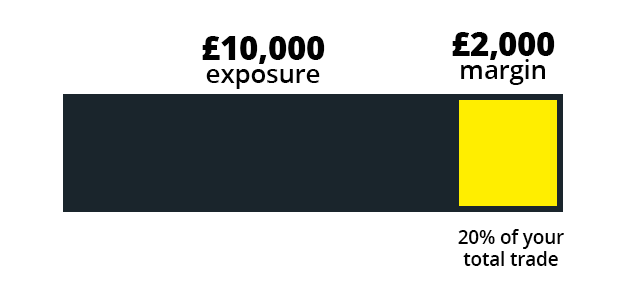
Another benefit to never owning the assets you're trading is leverage. Leverage enables you to open positions without paying for their total value – instead, you pay a deposit known as your margin.
This works because you're only speculating on the price movements of markets, not buying them outright.
To trade £10,000 of GBP/USD, for example, you might only have to put down £2000. So, you can avoid tying up all your capital on just a few positions.
However, it's important to remember that your profit or loss will be based on the full £10,000. If GBP/USD moves 5% against you, you lose £500, which is a significant chunk of your margin. Because of this, using risk management tools – such as stop-loss orders, take profits and guaranteed stops – is advised.
3. Resemblance to traditional trading
CFDs aren't the only way of trading financial markets without purchasing any assets. There are lots of other derivatives: including futures, options and spread betting.
However, if you're used to traditional trading and investing, you might find CFDs a bit more familiar than other derivatives. That's because with CFD trading, you're buying and selling contracts designed to mirror the assets they represent.
A single CFD tends to represent the standard unit of trading of its underlying market. To set your position size, you decide how many contracts to buy or sell.
If you want to trade the equivalent of 50 Unilever shares, for instance, you can buy 50 Unilever share CFDs. To short a single lot of NZD/USD, you can sell an NZD/USD CFD.
4. Trade shares, indices, forex and more
CFD brokers tend to offer access to a wide range of asset classes, so you aren't limited in what you can trade. At FOREX.com, for example, you can buy and sell:
- Shares, including blue-chips such as Apple and Amazon
- The world's leading stock indices, from the FTSE 100 to the DAX and more
- Major, minor and exotic forex pairs
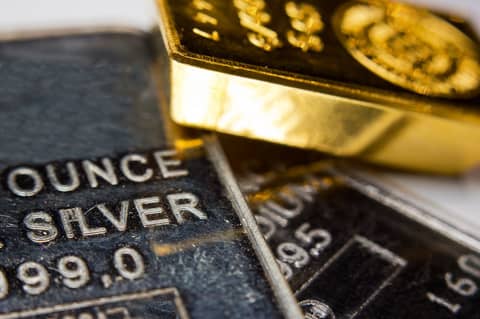
- Gold and silver, plus other key commodities
- Cryptocurrencies (Professional accounts only)
Plus, every single market is available on a single platform, so switching from indices to energies takes just a couple of clicks.
5. Hedge with CFDs
Remember that you can use CFDs to take short positions? As well as profiting from falling markets, this can be a useful way of offsetting the risk from negative moves in your investment portfolio.
For example, say you hold 1000 EasyJet shares, but are worried about a spike in oil prices hurting the company's bottom line in the short term. You could sell your stock – but that would close your position entirely.
Using CFDs, you can open a short position on 1000 EasyJet shares. Then, any negative moves in your portfolio will earn you a profit from your CFD position, cancelling out the loss.
If airline stocks start to climb again, you can close your CFD position.
6. Pay less tax*
Another advantage to never owning the asset you're trading is that you don't have to pay UK stamp duty as you buy and sell markets, saving your tax bill at the end of the year.
However, tax laws are subject to change and depend on individual circumstances. If necessary, please seek independent advice.
7. Try out trading risk free
If you want to see how CFD trading works in practice, you can open a demo account. Demo accounts give you access to the price movements of thousands of financial markets, with virtual funds so you can experience trading with none of the risk.
A FOREX.com demo, for example, gives you £10,000 virtual funds to trade on the live prices of a huge range of markets. You'll get full, unlimited access to all the features and tools of our platform for 12 weeks.
Alternatively, you could go straight to live trading. If you want to start trading CFDs immediately, follow these four steps:
- Open a live trading account
- Once your account is approved, add some funds
- Log in to the platform
- Find your first trade
* CFD Trading is exempt from UK stamp duty. However, tax laws are subject to change and depend on individual circumstances. Please seek independent advice if necessary.
- Profit from falling markets
- Keep your capital
- Resemblance to traditional trading
- Trade shares, indices, forex and more
- Hedge with CFDs
- Pay less tax*
- Try out trading risk free
What are the advantages of CFD trading?
With access to a huge range of markets, leverage and flexible short trades, it isn’t hard to understand why CFDs have become popular in recent years. If you’re still trying to make up your mind, though, here are seven reasons to trade CFDs.
1. Profit from falling markets
The main difference between CFDs and traditional trading is that with CFDs, you never own the underlying market. This brings several advantages – including the ability to go short as well as long.
To open a short CFD position, you sell your chosen number of contracts instead of buying them. Then, when you want to close your trade, you buy the same number of CFDs.
Doing this enables you to profit when markets fall in price, which adds a whole extra dimension to your trading.
Say you've researched a stock but believe that it’s in for some tough times. Instead of searching for a new opportunity, you could short the company with a CFD, earning a profit if its share price falls. However, if the stock rises instead, you’ll earn a loss.
Unlike investing, you don't have to borrow anything to short a CFD. It's the same process as going long, just the other way around. And you can sell any market that you can buy: including shares, indices, commodities and even bonds.
2. Keep your capital
Another benefit to never owning the assets you're trading is leverage. Leverage enables you to open positions without paying for their total value – instead, you pay a deposit known as your margin.
This works because you're only speculating on the price movements of markets, not buying them outright.
To trade £10,000 of GBP/USD, for example, you might only have to put down £2000. So, you can avoid tying up all your capital on just a few positions.
However, it's important to remember that your profit or loss will be based on the full £10,000. If GBP/USD moves 5% against you, you lose £500, which is a significant chunk of your margin. Because of this, using risk management tools – such as stop-loss orders, take profits and guaranteed stops – is advised.
3. Resemblance to traditional trading
CFDs aren't the only way of trading financial markets without purchasing any assets. There are lots of other derivatives: including futures, options and spread betting.
However, if you're used to traditional trading and investing, you might find CFDs a bit more familiar than other derivatives. That's because with CFD trading, you're buying and selling contracts designed to mirror the assets they represent.
A single CFD tends to represent the standard unit of trading of its underlying market. To set your position size, you decide how many contracts to buy or sell.
If you want to trade the equivalent of 50 Unilever shares, for instance, you can buy 50 Unilever share CFDs. To short a single lot of NZD/USD, you can sell an NZD/USD CFD.
4. Trade shares, indices, forex and more
CFD brokers tend to offer access to a wide range of asset classes, so you aren't limited in what you can trade. At City Index, for example, you can buy and sell:
- Thousands of global shares, including blue-chips such as Apple and Amazon
- The world's leading stock indices, from the FTSE 100 to the DAX and more
- Major, minor and exotic forex pairs, offered as spot FX, forwards and options contracts
- Gold, silver and other precious metals
- Energies including Brent crude, WTI and more
- Bonds and interest rates
- Cryptocurrencies (PRO traders only)
Plus, every single market is available on a single platform, so switching from indices to energies takes just a couple of clicks.
5. Hedge with CFDs
Remember that you can use CFDs to take short positions? As well as profiting from falling markets, this can be a useful way of offsetting the risk from negative moves in your investment portfolio.
For example, say you hold 1000 EasyJet shares, but are worried about a spike in oil prices hurting the company's bottom line in the short term. You could sell your stock – but that would close your position entirely.
Using CFDs, you can open a short position on 1000 EasyJet shares. Then, any negative moves in your portfolio will earn you a profit from your CFD position, cancelling out the loss.
If airline stocks start to climb again, you can close your CFD position.
6. Pay less tax*
Another advantage to never owning the asset you're trading is that you don't have to pay UK stamp duty as you buy and sell markets, saving your tax bill at the end of the year.
However, tax laws are subject to change and depend on individual circumstances. If necessary, please seek independent advice.
7. Try out trading risk free
If you want to see how CFD trading works in practice, you can open a demo account. Demo accounts give you access to the price movements of thousands of financial markets, with virtual funds so you can experience trading with none of the risk.
A City Index demo, for example, gives you £10,000 virtual funds to trade on the live prices of a huge range of markets. You'll get full, unlimited access to all the features and tools of our platform for 12 weeks.
Alternatively, you could go straight to live trading. If you want to start trading CFDs immediately, follow these four steps:
- Open a live trading account
- Once your account is approved, add some funds
- Log in to the platform
- Find your first trade
* Spread Betting and CFD Trading are exempt from UK stamp duty. Spread betting is also exempt from UK Capital Gains Tax. However, tax laws are subject to change and depend on individual circumstances. Please seek independent advice if necessary.
Latest market news



Open an account in minutes
Experience award-winning platforms with fast and secure execution.
Economic calendar
Web Trader platform
Our sophisticated web-based platform is packed with features.
Related articles
NZD/USD Forecast: Kiwi faces historic breakdown as RBNZ survey looms
NZD/USD is teetering above support that held through the pandemic and Liberation Day turmoil. With RBNZ hawks repeatedly disappointed, today's inflation expectations survey could open the door to a slide towards the GFC lows.
USD/JPY, AUD/JPY: Central Bank Divergence Creates Two-Way Risk
USD/JPY eyes a breakout above 160, while AUD/JPY faces further losses as Fed, RBA and BoJ interest rate expectations diverge.

DXY, GBP/USD, AUD/USD, USD/CAD, USD/JPY, Gold Weekly Technical Outlook 11 16 2026
Sr. Technical Strategist Michael Boutros highlights the levels that matter on the USD Majors, commodities, and equity indices charts this week.

StoneX Financial Ltd (trading as "FOREX.com") is an execution-only service provider. This material, whether or not it states any opinions, is for general information purposes only and it does not take into account your personal circumstances or objectives. This material has been prepared using the thoughts and opinions of the author and these may change. However, FOREX.com does not plan to provide further updates to any material once published and it is not under any obligation to keep this material up to date.
This material is short term in nature and may only relate to facts and circumstances existing at a specific time or day. Nothing in this material is (or should be considered to be) financial, investment, legal, tax or other advice and no reliance should be placed on it. No opinion given in this material constitutes a recommendation by FOREX.com or the author that any particular investment, security, transaction or investment strategy is suitable for any specific person.
The material has not been prepared in accordance with legal requirements designed to promote the independence of investment research. Although FOREX.com is not specifically prevented from dealing before providing this material, FOREX.com does not seek to take advantage of the material prior to its dissemination. This material is not intended for distribution to, or use by, any person in any country or jurisdiction where such distribution or use would be contrary to local law or regulation. For further details see our full non-independent research disclaimer and quarterly summary.